.svg)


Get in Touch
Recent posts


 Sameer M Nawani, Chief Representative of Dubai Chamber International Office - India
India and Dubai share historic and strong trade and cultural ties. The non-oil trade between India and Dubai has consistently increased over years from $26 billion in 2017 to $36 billion in 2019, making India the second largest trading partner for Dubai. Indians are the largest investors in Dubai’s real estate sector and make up the largest segment of tourists visiting the emirate. The city also is home to over a million Indian nationals, who account for over 30% of the population of the Emirate.
Since 2015, India and the UAE have exchanged several high-level visits, which strengthened the relationship and led to the signing of the Comprehensive Strategic Partnership, an agreement that aims to expand economic cooperation and boost bilateral trade and investment. Given the role Chambers play in mobilizing businesses and promoting trade and investments, India’s Prime Minister Narendra Modi during his visit to Dubai in February 2018, welcomed the idea of Confederation of Indian Industries (CII) opening an office in Dubai and Dubai Chamber of Commerce & Industry opening an office in India. Dubai Chamber opened its first representative office in Mumbai, India, in June 2018. The main objective of the office in India is to identify bilateral business opportunities that businesses in India and Dubai can capitalize on and benefit from.
The year 2020 has not been an easy one. It has put the healthcare systems of global economies through tremendous strain, disrupted supply chains and brought businesses to a standstill. In such times where the world is pressing a reset, the continued exchange between India and UAE is ensuring a smoother turnaround in economic activities. Both governments have been agile in taking the right measures while enhancing ease of doing business. Businesses on both sides are being extremely pro-active in exploring diversification, finding growth opportunities globally, implementing technology and strengthening their supply chain. We have seen growing interest in a number of high-potential sectors, and you can read on to learn more about these opportunities.
Food security and trade
Ensuring food security is high on the agenda for UAE and the pandemic has underlined its importance. India is first globally in milk production, livestock population and millet production and ranks second in fish, rice, wheat, cereals, fruits & vegetables, and total food production. India has the potential to double its food exports from $30 billion in 2019 to $60 billion in 2022. Lack of storage facility and transportation infrastructure results in 30% food losses in India. The India-UAE Food Corridor project is expected to fill this gap, with an investment of $7 billion from the UAE to develop dedicated logistics infrastructure connecting farm to ports in India. This project has the potential to increase the food trade between India and the UAE from $2.2 billion to $7 billion in next five years.
Dubai has developed specialized infrastructure to facilitate global trade of select products. Jebel Ali Freezone (JAFZA) in Dubai, is home to the world’s largest port-based sugar refinery which has a production capacity of 2 million MT and contributes to 3% of the refined sugar production of the world. JAFZA also has a rice hub which handles the storage, processing, and packaging of rice. Around 66% of the rice imported into Dubai comes from India. There are dedicated storage facilities for grains, pulses and other food products at JAFZA.
Dubai Multi Commodity Centre (DMCC), the free zone focused on commodities trade is home to the Tea Centre and Coffee Centre. The Tea Centre is a purpose-built facility dedicated to storing, blending, and packaging of tea. The centre has 5000 MT of storage capacity. The Coffee Centre is a 15000 square metre state-of-art temperature-controlled facility which can be used to store, clean, roast, package and distribute coffee. It also has a coffee quality centre laboratory, cupping lab, and training campus. DMCC in 2020, introduced an agri trade platform called Agriota, which facilitates trade between Indian farmers and international traders.
In 2021, Dubai Chamber is pushing ahead with new initiatives to facilitate collaboration between businesses to connect the infrastructure of Dubai and the production capacity of India.
Retail Opportunities
Retail in India is highly fragmented but transforming at a tremendous pace. It is expected to become a $1.75 trillion market by 2026. India has the second largest population in the world. With a growing middle-class and increasing urbanization, the household incomes are rising, resulting in increased consumer spending. Driven by these developments, India has seen numerous homegrown brands in retail like Lenskart, Nykaa, Forest Essentials, Belgian Waffles, etc. grow at an enormous speed. The young new India is ambitious and aspirational, making it an ideal destination for International brands and retailers, opening doors for retail businesses from Dubai.
Having one of the busiest airports and being one of the world’s most sought-after tourist destinations, Dubai is a great place for retailers and brands to have high international visibility. Dubai ranks number one globally in international brand penetration. Dubai has been among the most popular destination for Indian businesses since a few decades. It endures as an ideal destination for new and fast-growing Indian brands and retailers to learn the lessons of international operations in a dynamic market which echoes global trends, and yet provides a familiar environment close to home.
Technology and scale-ups
India is the third largest start-up ecosystem in the world whereas Dubai is the preferred hub for start-ups in MENA region. Strong regulations, access to funding, sizeable market, thriving start-up ecosystem and access to talent makes Dubai a lucrative destination for start-ups. Numerous Indian start-ups providing tech solutions have seen their solutions being widely accepted by businesses in Dubai, which has given them a strong footing in MENA region as well as helped expand their operations back home.
The pandemic has accelerated the adoption of digital solutions in banking and healthcare. Telemedicine services saw a spike in demand and hospitals rapidly moved to implementing solutions for contactless delivery of services. Digital transformation in banking is a key enabler in boosting business. The ability to be able to pay anyone, anywhere at the click of a button has been a game changer and has seen new business models evolve across sectors. The payments and the venture capital regulations introduced by the Dubai International Financial Centre (DIFC) in 2020 are changing the financial services and funding ecosystem. The DIFC’s Innovation License Program helps innovative tech companies work in a regulated environment and helps DIFC build supportive systems and regulations.
The Dubai Chamber International Office in India along with Dubai Startup Hub, StartupIndia and Mumbai FinTech Hub organized the Dubai Tech Tour, a virtual delegation in 2020, which was joined by promising fintech and health-tech scale-ups. The scale-ups Advarisk, AIkenist, Anatomiz3D, BestDoc, Cube, ePayLater, Karza Technologies, Lucine Rich Bio, Metanoa, Seragen, Supermoney, Turtlemint, Value3 and vPhrase were shortlisted through a rigorous screening process and introduced to key businesses & investors in Dubai. Some of these scaleups are in advanced stages of negotiating their first commercial deals or currently in the process of setting-up in Dubai.
Riding on this success, in 2021, the India Office of Dubai Chamber will focus on RetailTech and introduce tech solutions from India that address the changing needs of retail and e-commerce.
Dubai Chamber currently has a network of 11 International Offices in Latin America, Africa, and Eurasia, dedicated to exploring promising markets and facilitating trade and investments between these regions and Dubai.
 Pushpakaran Parambath, Senior Partner - Kreston Menon Corporate Services
 Liza Robbins, Chief Executive - Kreston Global
 Kreston Menon
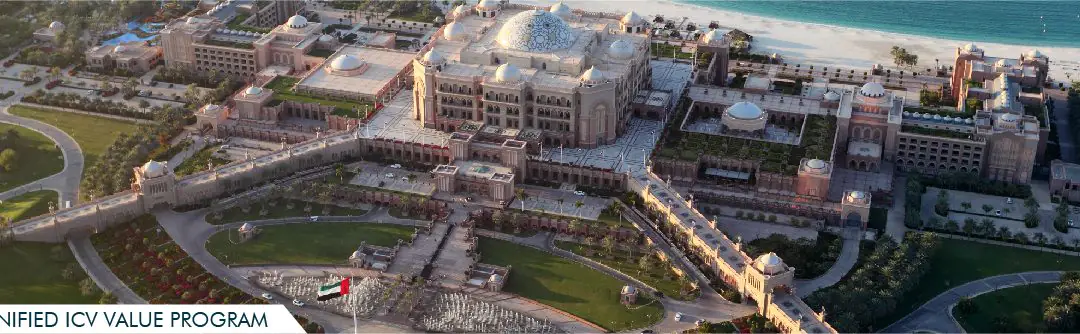
For past many years, the GCC countries have been initiating localization drives, particularly in the oil and gas industry. The major localization initiatives in the region started with Oman Oils In-Country Value (ICV) program followed by Saudi ARAMCO’s IKtVa and Abu Dhabi National Oil Company (ADNOC) ICV program.
 Raju Menon, Chairman and Managing Partner - Kreston Menon
Every business was looking optimistic for a great 2020 at the beginning of the year, but now are facing a completely different scenario. The COVID-19 pandemic has severely affected businesses across every industry and geographical region. The norms of businesses have changed, be it remote working, changed customer preferences and priorities or radically transformed operational networks.
 Pushpakaran Parambath, Senior Partner - Kreston Menon Corporate Services
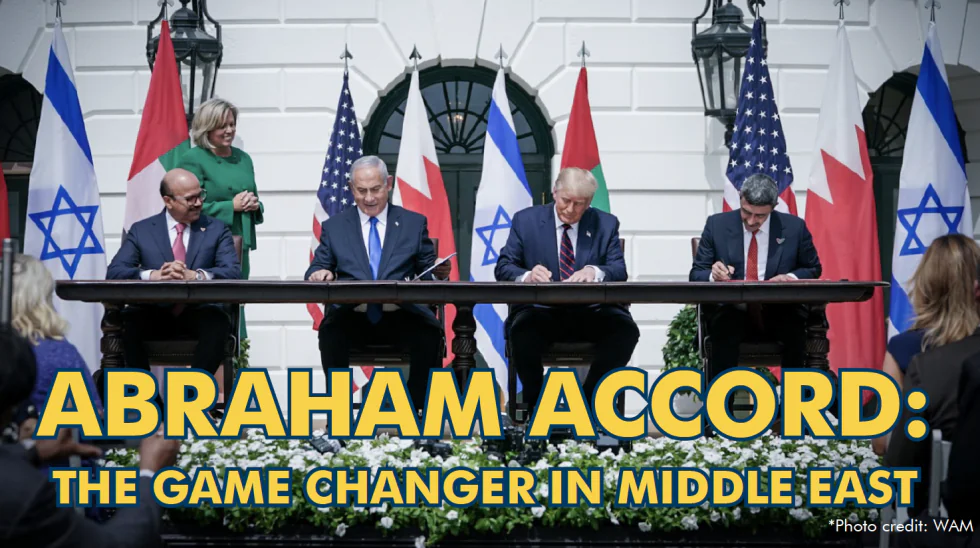
The world woke up to the unexpected and astounding news of the peace treaty between the UAE and Israel, making UAE just the third Arab state, after Egypt and Jordan to establish formal ties with Israel. UAE scrapped an economic boycott against Israel which was in place for decades, allowing trade and financial agreements between the countries.




